
I visited an office last week...
A successful, thriving company, and I noticed something that worried me. It wasn’t the noise. It was the silence (and, no, not because of “remote working”).
There were no “quick questions.” The “tap on the shoulder to ask a question” was missing. The “hey, can you sanity-check this with/for me?” moments had disappeared.
I joined a Zoom call later that afternoon. Same thing. Some cameras on, others off. Mics muted. Work is getting done at record speed. But nobody said a word to each other.
Most leaders call this “flow state.” As a cyberpsychologist, I see something else: People are withdrawing.
From "Productive" to Isolated
In a recent study by MOO and Censuswide:
84% of employees encouraged to use AI said they feel lonely.
65% shared they now ask AI for help before asking a colleague.
AI didn’t create loneliness at work. But it has changed how we deal with it.
We are entering an era of “Cognitive Outsourcing.” We outsource tasks, of course. But now, we are also outsourcing the small, risky, human moments that build trust and connection.
The Path of Least Resistance
I’ll be honest, because I do this too. Yesterday, I needed to check a fact for a strategy document I was writing. I could have reached out to someone I know who would’ve helped me in a heartbeat. Instead, I asked ChatGPT. Why?
Because asking a human feels expensive. There is social anxiety, the risk of looking ignorant, and the wait for a reply. Asking AI feels cheap. It responds fast. It never looks bored. It will not judge me for asking a “dumb” question (and sometimes, it even invites those).
The brain loves shortcuts. AI becomes the social shortcut. Here is what changes:
Old way: Junior asks Senior → Senior explains the context → Trust grows → Junior learns the culture.
New way: Junior asks AI → AI answers → Task completes → Junior stays isolated and learns only the fact.
We trade relationships for efficiency. The task moves faster, but the culture is impacted.
Tacit Knowledge Decline
Every company – small to big ones – runs on Tacit Knowledge. The unwritten rules. The side comments. The “how we really do things” stories.
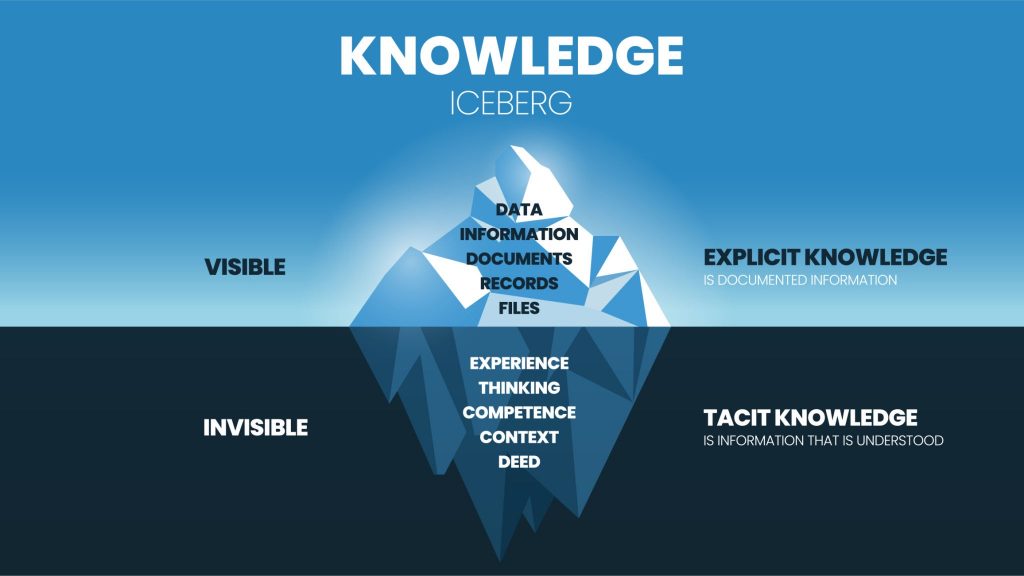
Tacit knowledge sounds like:
“Loop John in before you send that. He isn’t a fan of surprises.”
“This client says ‘fine’ when they are upset.”
“That policy exists, but here is how we handle it in practice.”
AI has none of this. It can mirror your documents, not your quiet norms. If juniors stop “bothering” seniors because they have Copilot (or whatever tool you paid for), mentorship fades. You get a team of efficient islands: they share tools, but not connections.
We Need "Friction" Back
We need to reintroduce social friction on purpose. And I don’t mean the drama or chaos. I mean the simple, human contact (or connection) that AI cannot replace.
1. Human-First Onboarding: Assign every new hire a “Human API” for the first 90 days. Their job is to expect questions. Set one rule: Before asking AI, the new hire must ask their Human API three questions each week. Track questions asked.
2. The Draft Review Ritual AI can write the first draft. A human still owns the strategy. Once a week, run a laptop-closed strategy huddle, for example. Start with one question: “What did AI miss here?” Let seniors point out nuance, risk, and politics. AI handles words. Humans handle judgment.
3. Redefine Senior Roles: Seniors are no longer “Answer Banks” (AI can handle the standard stuff). Seniors become Context Architects. Their job is to explain the why behind decisions, map trade-offs, and tell the stories that help juniors understand your culture.
Efficiency for Machines. Connection for Humans
Efficiency is a good metric, in general. But, for humans, the better metric is connection.
Who feels safe to ask questions? Who knows whom to call before the deadline?
Do not let your quest for speed damage your culture. Check in on your quiet high performers this week. If they speak to a bot more than to you, it may be because they forgot how to reach out, and no one reminded them that it still matters.