I had a conversation with a Director the other day...
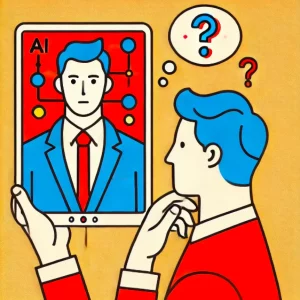
“My team is smart. So why does AI make them tense?”
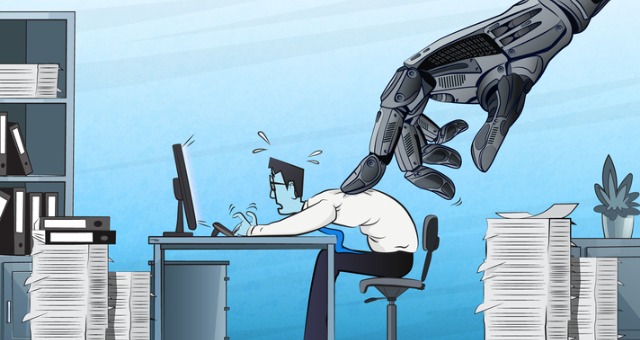
Because anxiety is a rational response to sudden change and uncertain rules. One of the (always) good HBR articles calls that out – and reframes anxiety as fuel when we unpack it with care.
Reframe: More than a simple skill
The blocker isn’t skill alone. It’s psychological safety under speed: people fear looking incompetent, breaking rules, or losing control of their work identity. When we treat anxiety as a map, not a defect, we find where to coach, standardize, and start small. Naming the fear gives leaders an advantage.
The Way Forward:
Name the three drivers. Ask others: What feels at risk: competence, control, or credibility? Gather examples from real tasks. You’ll see patterns fast. (e.g., anxiety has identifiable roots; use that).
Set “first ten minutes” wins. If the first ten minutes with a tool feel clumsy and weird, people just stop using it. Pick one workflow. Co-write a 6-step playcard. Track time saved and rework avoided in week one.
Make safety visible. Hold 30-minute office hours. Invite “show the mess” (or whatever you want) demos. Praise questions. State the rule: human-in-the-loop owns outcomes.
Pilot, then scale. Score 3 uses cases (or 2) with the team (impact vs. effort). Launch one pilot. Define three simple metrics: cycle time, error rate, and satisfaction. Publish results and the guardrails that worked.
You don’t “eliminate” anxiety. You channel it into better design, clearer guardrails, and faster learning.
Sources: Harvard Business Review